
Exploring the psychology behind casino gambling
The Allure of Gambling
The appeal of casino gambling often lies in the thrill and excitement it provides to individuals. The mere act of engaging in games of chance creates a unique psychological experience that combines anticipation, hope, and adrenaline. Many gamblers find themselves drawn to the vibrant environments of casinos, where flashing lights and lively sounds create an intoxicating atmosphere that heightens their senses. This sensory overload can lead to a state of euphoria, encouraging individuals to continue playing even when they know the odds are against them. Additionally, the instant casino withdrawal time allows players to access their winnings quickly, further enticing them to keep gambling. In this environment, the promise of excitement can overshadow the rational assessment of risk, making it easy for individuals to become absorbed in their gambling activities.
This psychological allure is further amplified by the possibility of winning money, which can be perceived as a life-changing event. The prospect of hitting a jackpot activates the brain’s reward systems, releasing dopamine and creating feelings of pleasure and excitement. This biochemical response can lead to a compulsion to gamble, regardless of previous losses, as players chase that next big win. As a result, the very environment designed for entertainment becomes a breeding ground for dangerously addictive behaviors, where the line between casual play and obsession often blurs.
The allure of gambling is often tied to social experiences. Many people visit casinos with friends or family, enhancing the enjoyment of the games. The social aspect of gambling fosters a sense of community, leading individuals to spend more time and money in an attempt to extend the experience with their peers. This combination of thrill, hope, and social interaction creates a powerful incentive for individuals to engage in gambling activities, despite the risks involved. In essence, the casino environment not only serves as a platform for individual excitement but also as a catalyst for shared experiences that can reinforce gambling behavior.
Psychological Triggers Behind Gambling
Several psychological triggers contribute to the allure of casino gambling, with cognitive biases playing a significant role. One common phenomenon is the “gambler’s fallacy,” where individuals believe that past outcomes influence future results. For instance, a player may think that after a series of losses, they are “due” for a win, which encourages them to continue playing. This misconception can lead to a cycle of chasing losses, further entrenching individuals in their gambling habits. It creates a false sense of hope and a distorted perception of probability, making it difficult for players to recognize when to walk away.
Additionally, players often exhibit an “illusion of control.” This psychological phenomenon occurs when individuals believe they can influence the outcome of random events. Gamblers may engage in rituals or develop strategies, such as selecting specific machines or betting patterns, in an attempt to exert control over their luck. This mindset can encourage further gambling, as players feel empowered by their perceived ability to sway the odds in their favor, despite the inherent randomness of games. Such beliefs can lead to a dangerous cycle where players continually invest time and money, convinced that their next bet will yield a favorable outcome.

The role of variable reinforcement also cannot be overlooked in understanding gambling behavior. This principle, rooted in behavioral psychology, suggests that when rewards are delivered irregularly, they create a stronger drive for the behavior leading to the reward. In a casino setting, the intermittent wins—no matter how small—act as powerful reinforcers that keep players engaged. Each small victory can trigger thoughts of future successes, perpetuating the desire to gamble further. Consequently, this psychological mechanism can lead to sustained gambling behavior, as players become conditioned to expect rewards that are irregularly distributed, much like a slot machine payout.
The Impact of Emotional States
Gambling is often influenced by the emotional state of individuals, with many people turning to casinos as a means of escape. For some, the thrill of gambling serves as a coping mechanism to deal with stress, anxiety, or loneliness. The temporary distraction from life’s challenges can provide a sense of relief, leading individuals to gravitate toward gambling as a form of entertainment. However, this emotional reliance is concerning, as it can develop into a problematic cycle where individuals turn to gambling in times of distress, seeking solace in the fleeting highs of winning or the distraction of play.
Additionally, the highs and lows experienced during gambling can lead to mood swings that further complicate the emotional landscape. Winning can create euphoric feelings, while losses can result in frustration and despair. This rollercoaster of emotions can compel individuals to chase their losses, hoping that the next bet will restore their emotional balance. As players oscillate between joy and disappointment, they may find themselves trapped in a cycle of compulsive gambling behavior, where each loss feels urgent to rectify, further entrenching them in their habits.
Moreover, the emotional connections associated with gambling can be profound. Many individuals develop a personal attachment to specific games, machines, or even particular casinos, creating a nostalgic link to their experiences. This emotional investment can make it difficult for players to recognize the negative consequences of their gambling habits, as they may prioritize their attachment over rational decision-making. This combination of emotional highs, lows, and attachments often leads to a complex relationship with gambling that can be difficult to navigate and escape, as players struggle to reconcile their emotional needs with the realities of their behavior.
The Role of Environment in Gambling
The physical environment of a casino plays a pivotal role in shaping gambling behavior. Designed to maximize engagement, casinos utilize various psychological tactics to enhance the experience. The absence of clocks and windows, alongside the establishment of a vibrant, stimulating atmosphere, encourages individuals to lose track of time and become fully absorbed in their gambling activities. These environmental cues can lead to extended gambling sessions and increase the likelihood of overspending, as players remain unaware of how much time has passed or how much money they have lost.
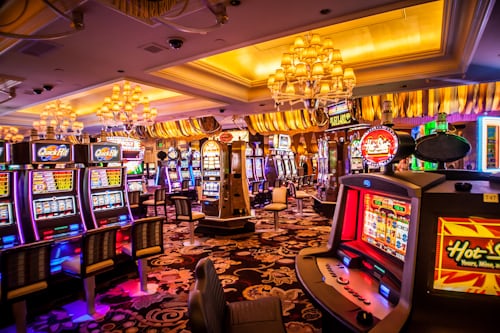
Furthermore, the layout and accessibility of games significantly influence gambling patterns. Casinos are often designed to encourage movement through their spaces, ensuring that players are constantly exposed to new games and opportunities to gamble. The strategic placement of high-stakes tables near the entrance, for example, captures the attention of players, enticing them to engage in higher bets. This design not only drives immediate gambling activity but also creates a sense of urgency, as players feel an instinctive pressure to take advantage of the opportunities presented to them.
Additionally, casinos often implement loyalty programs and rewards systems to encourage frequent visits. These initiatives can lead to increased gambling as individuals seek to obtain rewards or maintain their status within the program. The allure of exclusive access, bonuses, or special events acts as another psychological mechanism that keeps players returning, often at the cost of their financial well-being. Understanding the power of the casino environment is essential for grasping how it influences gambling behavior and contributes to the risk of addiction, as the carefully crafted spaces are designed to maximize engagement and profit.
Understanding Responsible Gambling and Support Resources
In recognition of the psychological complexities associated with casino gambling, various resources and support systems have emerged to promote responsible gambling practices. Many casinos have implemented initiatives to educate players about the risks of gambling and provide tools for self-assessment. These tools can help individuals recognize their gambling patterns and identify when their behavior may become harmful. Awareness campaigns aim to foster a healthier approach to gambling, focusing on moderation and informed decision-making, emphasizing the importance of understanding one’s limits.
Moreover, support groups and counseling services offer valuable resources to individuals struggling with gambling addiction. These organizations provide a safe environment for individuals to share their experiences and emotions, promoting accountability and healing. Many communities have established programs that connect individuals with trained professionals who can offer guidance and strategies for recovery. By creating networks of support, these initiatives aim to empower individuals to reclaim control over their gambling habits and encourage them to seek help when needed.
In addition to external support systems, individuals can benefit from self-regulation strategies. Setting personal limits on time and money spent at casinos can be an effective way to maintain control over gambling behavior. Journaling, seeking social support from friends and family, and finding alternative activities to fill free time can also serve as crucial tools for managing one’s relationship with gambling. Understanding the psychological aspects of gambling can aid in developing healthier habits while enjoying the entertainment it offers. Ultimately, fostering awareness about responsible gambling can help mitigate the risks associated with excessive play and promote a balanced approach to leisure activities.